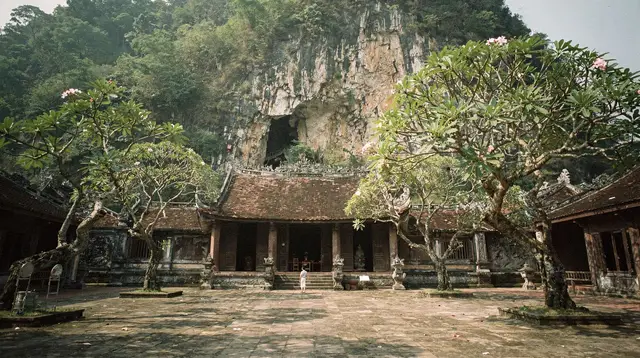
Riding Pu Luong by Motorbike: A Practical Guide
Is Pu Luong a motorbike loop like Ha Giang?
No. Pu Luong Nature Reserve is not an organised loop with a fixed circuit. It is a compact area of small paved and unpaved roads through terraced rice valleys and karst hills, ridden as a network rather than a single route, either self-drive or with a local guide.
What kind of riding Pu Luong actually offers
Pu Luong Nature Reserve sits south-west of Hanoi, and it is one of the places on this site people describe with the wrong word before they have been. It is often called a “loop,” a habit borrowed from Ha Giang, but Pu Luong has no single signed circuit. It is a nature reserve of terraced valleys, limestone ridges and scattered Thai and Muong villages, connected by a mesh of small roads. Riding here means stringing together a handful of these roads across a day — a valley road along the paddies, a climb to a ridge viewpoint, a descent past a waterwheel village — rather than following one continuous route from a starting arch to a finishing one.
That distinction matters for planning. A rider arriving expecting a marked Ha Giang-style loop with fuel stops and a known distance will be disappointed; a rider arriving with a rough plan and flexibility will find exactly the kind of unhurried, scenic riding Pu Luong is known for. This page covers the motorbike side of that experience. If walking rather than riding is the plan, the companion Pu Luong trekking guide covers the same reserve on foot, and the two are genuinely different days, not two names for the same activity.
Pu Luong is not Mai Chau
The two names get merged constantly, partly because many itineraries visit both in the same trip. They are not the same place. Mai Chau is a broader, lower valley reached first when coming from Hanoi, known for stilt-house homestays, flatter roads and gentle cycling among rice fields. Pu Luong lies further along, at higher elevation, inside a protected nature reserve with steeper terraced slopes, karst outcrops and narrower, sometimes unpaved roads. Riders typically pass through or near Mai Chau on the way to Pu Luong, which is why the two blur together in casual trip reports.
For motorbiking specifically, the difference in terrain is the point. Mai Chau’s valley roads suit relaxed, easy riding or even cycling; Pu Luong’s connecting roads climb and drop between villages and viewpoints, with rougher surfaces in places. A guide who covers Mai Chau’s motorbike routes is not automatically describing the same experience as riding around Pu Luong, and the dedicated comparison of Mai Chau versus Pu Luong is worth reading before deciding how to split a trip between them.
The riding area, roughly
| Zone | What it’s like on a bike |
|---|---|
| Main valley roads | Paved, gently graded, the easiest riding, past terraced paddies |
| Village connector roads | Narrower, mixed surface — packed dirt, concrete strips, occasional gravel |
| Ridge and viewpoint roads | Steeper, unpaved in stretches, best ridden slowly, rewarded with wide valley views |
| Waterwheel and stream areas | Short detours off the main roads, often walked the last stretch rather than ridden |
None of the figures above are distances or times — road conditions and the exact route a guide or a rented bike takes vary enough that a fixed kilometre count would mislead more than help. Anyone riding self-drive should treat the network as something to explore section by section rather than plan to a precise schedule.
Self-drive or guided
This is the real decision for most visitors, and it comes down to licensing and confidence rather than preference alone. Riding on Vietnamese public roads legally requires a motorbike licence valid in the country, and most travel insurance policies exclude cover for an accident if the rider held no valid licence at the time — a detail worth checking before renting anything, covered in more depth in the motorbike licence and insurance guide.
For travellers who do hold a valid licence and are comfortable on mixed surfaces, self-drive rental opens up the flexibility to linger at a viewpoint or detour to a village market. For everyone else, a guided motorbike day is the practical route in: a local rider either carries the passenger (an “easy rider” arrangement) or leads a small group of self-driven bikes while knowing which sections are currently rough, flooded or closed. The broader trade-offs between the two approaches, not specific to Pu Luong, are set out in easy rider versus self-drive.
a full-day guided motorbike route through the reserve with lunch included covers the core valley and ridge roads with a local guide setting the pace, which removes both the licensing question and the route-finding guesswork for a first visit.
When to ride
Northern Vietnam’s seasons shape Pu Luong as much as anywhere else covered on this site. The terraces are green through the growing months from around June and turn a deep gold at harvest, broadly across September and October — the two periods most riders aim for. Outside that window the paddies are either bare or freshly flooded for planting, which is still visually striking but very different from the postcard green or gold.
The rainy season, roughly May to September, brings the risk of slick, sometimes impassable unpaved sections after heavy downpours, which is the single biggest practical factor for self-drive riders in particular. A broader seasonal breakdown for the region’s mountains, including fog and cooler temperatures at altitude, is in the motorbike season and fog guide.
Riding early in the day generally means calmer village roads and softer light for photographs over the terraces, before any afternoon cloud builds over the ridgelines — a pattern common across the northern mountains, not unique to Pu Luong.
What a day of riding looks like
A typical guided day starts with transfer from a Mai Chau or Pu Luong homestay to the first valley road, riding at a relaxed pace with regular stops rather than continuous riding. Guides generally build in stops at a terraced viewpoint, a Thai or Muong village where a waterwheel or loom might be working, and a break for a local lunch — often the anchor of tours built around Pu Luong’s food and craft villages rather than riding alone.
a day that combines riding through the rice slopes with a stop at a local artisan village and a stretch of bamboo rafting on the stream is a good example of how riding here is usually paired with a slower cultural stop rather than treated as a pure motorsport day.
Riders who prefer a quieter, more immersive pace over a fuller sightseeing itinerary might instead consider a private, unhurried day that mixes short rides between villages with time spent with local families, which suits travellers who find a packed multi-stop itinerary tiring rather than relaxing.
Combining riding with a market or waterfall stop
Several of the villages within riding distance hold periodic markets, and a few of the connector roads pass near seasonal waterfalls that are easy to reach on two wheels but awkward on foot from a homestay base. an itinerary built around a local market, a brocade-weaving stop and a waterfall visit, linked by motorbike is one way to see more of the reserve’s everyday life than a straight point-to-point ride would show.
For riders short on time, this kind of themed half-day or full-day works better than trying to self-drive the whole network in a single stretch, since the villages and stops — not the riding itself — are usually what visitors remember afterward.
Short loops from Hanoi versus a dedicated Pu Luong day
Pu Luong is far enough from Hanoi that it is not a same-day round trip on a rented bike; most visitors either join a multi-day itinerary through Mai Chau and Pu Luong or arrive by car or bus and ride locally once there. Travellers looking for motorbiking closer to the city, without the travel time to Pu Luong, are better served by the short motorbike loops near Hanoi guide, which covers a different and much shorter category of riding.
For those building Pu Luong into a longer trip, the seven-day Mai Chau and Pu Luong offbeat itinerary and the seven-day trekking-and-riding itinerary through Sapa and Pu Luong both give a sense of how much time other travellers allocate around the riding days themselves.
Practical notes for riders
Helmets are required by Vietnamese law and any reputable tour provides them; self-drive renters should insist on a properly fitted one rather than the thin shell type sometimes offered with cheap rentals. Layering matters more than most riders expect — mornings in the hills can be noticeably cooler than the valley floor, especially outside the hot months, and a light jacket makes the ridge sections far more comfortable. Fuel stops are not frequent inside the reserve itself, so riders self-driving should top up before heading into the smaller roads rather than assuming a station will appear.
Mobile signal is patchy in the deeper valleys, which is another practical argument for a guided ride on a first visit — getting turned around on an unmarked village road with no signal and no local language is a common frustration reported by self-drive travellers, not a rare mishap. General orientation on getting around the wider region, including how most transfers between Hanoi and this area actually work, is covered in the getting around Hanoi and beyond guide.
A slower, home-cooked way to combine riding with food and craft
Several operators frame the Pu Luong motorbike day around a specific craft or food activity rather than riding for its own sake, which suits travellers who want the ride to be a means of reaching something rather than the whole point.
a slower day pairing short rides between a village market, a weaving stop and a waterfall works well for this kind of traveller, letting the motorbike sections stay short while the stops do most of the work.
Booking notes
Guided motorbike days around Pu Luong are generally easiest to arrange from a base in Mai Chau or from a homestay inside the reserve itself, rather than booked as a same-day add-on from Hanoi. Group sizes on the guided rides tend to be small, which keeps the pace flexible for photo stops and slower riders. Travellers combining Pu Luong with other parts of northern Vietnam should check how a Pu Luong day fits around transport to or from Ninh Binh or Sapa before locking in dates, since the reserve itself sits somewhat off the most direct routes between those two areas.
Pu Luong motorbiking: frequently asked questions
Is Pu Luong a motorbike loop like Ha Giang?
No. Pu Luong is a compact nature reserve threaded by small roads, not a signposted circuit. Riders link a handful of valley and ridge roads rather than follow one continuous loop, and many visitors ride only part of the network before turning back or continuing on to Mai Chau.
What is the difference between Pu Luong and Mai Chau?
They are separate places often visited together. Mai Chau is a lower, broader valley known for stilt-house homestays and easy cycling, reached first from Hanoi. Pu Luong is a protected nature reserve further on, higher and hillier, with narrower roads, terraced slopes and karst peaks.
Do I need a licence to ride a motorbike in Pu Luong?
Riding on Vietnamese public roads legally requires a valid motorbike licence recognised in Vietnam, and most travel insurers will not cover an accident if the rider was unlicensed. Travellers without the right licence should book a guided tour where a local rider handles the bike or drives an accompanying vehicle.
Can I ride myself, or is a guide required?
Neither is mandatory, but a guide is strongly recommended for first-time visitors. The roads are narrow, sometimes unpaved, and share space with buffalo, farm traffic and steep unmarked turns; a local guide knows the current road conditions and the best viewpoints, which self-drive visitors often miss.
What is the road surface like?
Mixed. The main access roads into the reserve are paved, while many of the smaller connecting roads between villages and viewpoints are packed dirt, gravel or concrete strips that can be slippery after rain. Riding is manageable for a confident beginner on a guided tour but demanding for self-drive novices.
When are the rice terraces green or golden around Pu Luong?
The terraces are green through the growing months from around June and turn golden at harvest, broadly in the September to October window; outside those periods the paddies are bare or freshly flooded, so travellers riding specifically for terrace colour should time a trip accordingly.
How long should I spend riding around Pu Luong?
A single full day covers the core valley and viewpoint roads at an unhurried pace with stops. Riders combining Pu Luong with Mai Chau, or continuing toward Ninh Binh, typically allow two to three days overall so the motorbike time does not feel rushed.
Trekking and Hiking Around Sapa and Ha Giang
Verified deep-linked GetYourGuide tours. Book through these links and we earn a small commission at no cost to you.
GetYourGuide does not provide a product photo for this activity — the image shows the meeting point, photographed by us.