The Ha Giang Loop: A Multi-Day Motorbike Tour, Not a Day Trip
Can you do the Ha Giang loop as a day trip from Hanoi?
No. The Ha Giang loop is a multi-day circuit through the Dong Van Karst Plateau, covered by motorbike or as a pillion passenger with an easy rider, and it needs several overnight stops to be ridden safely. It is not a single-day excursion and cannot be combined with a same-day return to Hanoi.
What the Ha Giang loop actually is
The Ha Giang loop is a circuit through the far north of Vietnam, looping out from Ha Giang town and around the Dong Van Karst Plateau before returning. It is covered on the back of a motorbike, either ridden by the traveler or by a local driver with the traveler as passenger, and it is built around a chain of overnight stops rather than a single stretch of road. That structure is the whole point of this page: the loop is a multi-day journey, and treating it as anything shorter misunderstands what it is.
This distinction matters because the name “Ha Giang loop” gets used loosely online, and travelers sometimes arrive expecting something closer to a scenic half-day drive. It is not that. The roads wind through mountain passes and karst valleys for long stretches at a time, weather and road conditions can shift the pace, and the circuit only makes sense broken into stages with rest at the end of each one. For the road conditions, riding techniques and what a self-driven day actually feels like, a dedicated page covers that ground; this guide stays focused on the shape of the trip and how to book it.
Loop, not day trip: clearing up the confusion
A recurring point of confusion is the difference between a “loop” and a “day trip.” A day trip, in the way this site uses the term elsewhere, is an excursion that leaves from a base in the morning and returns to the same base by evening. Several such day trips exist near Hanoi, covering destinations reachable and back within a single day; see the overview of day trips from Hanoi for how those work.
The Ha Giang loop is structurally different. It does not return to its starting point each evening; instead, travelers ride onward each day to a new overnight stop, working their way around the plateau before eventually closing the circuit back near Ha Giang town. Nothing about the loop compresses into a single day and still covers meaningful ground.
Any itinerary billed as a “one-day Ha Giang loop” is really a short ride near Ha Giang town itself, not the full circuit around the karst plateau, and travelers who want the real loop should plan for several days on the road. For a broader sense of how multi-day circuits like this fit into a wider trip, the multi-day tours from Hanoi overview is a useful starting point, and the group tour versus private tour comparison explains how accompaniment options apply generally, including to the loop.
Motorbike or easy rider: the two ways to cover the loop
There are two ways to be on the motorbike for the Ha Giang loop, and the choice shapes the whole experience.
Riding it yourself means handling the motorbike on unfamiliar mountain roads, which asks for real riding experience and confidence with long days in the saddle. This page will not walk through the mechanics of that choice, the licensing questions it raises, or how it compares to going with a driver — that comparison, along with the practical and legal side of riding in Vietnam, is covered in a dedicated guide on easy rider versus self-drive and in the companion page on motorbike licenses and insurance in Vietnam, which matters because many insurers will not honor a claim without the right license.
Going as a passenger with an easy rider means sitting behind a local driver for the whole loop while they handle the riding, road knowledge and navigation. This is the option most travelers who do not ride, or who would rather not ride for several consecutive days on mountain roads, choose instead. It keeps the loop accessible to non-riders without changing its shape: it is still a multi-day circuit with overnight stops, just with someone else on the throttle.
What this page will not do is try to explain the riding itself, whether self-driven or as a passenger — road surfaces, weather calls, pass-by-pass detail. That belongs to the dedicated motorbike guide linked above. What it does cover is how the loop is structured as a trip, and how to choose between the formats it is sold in.
A car is not how the loop works
It is worth saying plainly: the Ha Giang loop is not a road trip taken in an ordinary car. The terrain around the Dong Van Karst Plateau is mountainous, with narrow roads, tight switchbacks and passes that suit two wheels far better than four. Motorbikes can take lines, pull over and navigate the terrain in ways a car cannot, and the whole tourism infrastructure around the loop — homestays, driver networks, luggage support — is built around motorbike travel. Some operators run a support vehicle to carry luggage between overnight stops, but that vehicle is not how passengers experience the loop; the ride itself happens on the motorbike, whether self-driven or as a pillion passenger.
Travelers who would rather stay off a motorbike entirely and still see the far north have other options within reach, including guided minivan itineraries into Cao Bang and Ban Gioc or Sapa, which are covered on their own pages rather than here.
How the loop is typically packaged
Operators sell the Ha Giang loop in a range of lengths, and the right one depends on how much of the plateau a traveler wants to cover and how much time they have.
| Loop length | What it typically adds |
|---|---|
| Around 2 days | The core circuit through the plateau’s main passes and viewpoints |
| Around 3 days | More time in the villages and valleys along the route |
| Around 4 days | Extra side stops and a less rushed pace between overnights |
| Around 6 days | The loop combined with onward travel toward Sapa |
A separate guide sets out how the 3-to-4-day version of the loop is usually structured stage by stage, and the Dong Van Karst Plateau guide covers what the plateau itself offers along the way, both worth reading before choosing a length.
Whichever length is chosen, the pattern holds: a chain of overnight stops, not a same-day return. A shorter option among the bookable tours: a two-day loop run in reverse order, a compact way to cover the circuit’s main stretch and, for travelers who ride pillion and want the loop covered quickly without giving up the overnight structure, a two-day easy-rider tour built around riding as a passenger for the full route.
Choosing between group and private, rider and passenger
Deciding how to do the Ha Giang loop really involves two separate choices layered on top of each other: whether to ride or go as a passenger, and whether to join a group or arrange something private. This page has already pointed to the guide on riding versus riding pillion; the second choice, group versus private, is covered in full in the group tour versus private tour guide, and it applies just as much to the loop as to any other multi-day circuit in the north. In short, a group loop puts several travelers with their own drivers or bikes on the same route and schedule, while a private arrangement can adjust pace and stops but usually costs more per person.
A mid-length group option that includes meals along the way:
a three-day loop with meals and homestay accommodation included at each overnight stopFor travelers who want the loop combined with onward trekking rather than a return straight to Hanoi:
a six-day itinerary that links the Ha Giang loop with trekking around SapaAnd for a fuller four-day version with local guides throughout, useful for travelers who want more time in the villages without extending all the way to six days:
a four-day, three-night loop tour accompanied by local guides for the whole routeGetting to Ha Giang before the loop starts
The loop itself begins from Ha Giang town, which most travelers reach from Hanoi by road transfer rather than any of the loop tours themselves; transport to the starting point is arranged separately from the loop and is covered on its own transport pages rather than here. Once in Ha Giang town, riders and passengers set out on the loop from there, so it is worth allowing a buffer day on arrival to rest before several consecutive days on the road.
When to ride the loop
Timing affects the Ha Giang loop more than it does a lot of other trips near Hanoi, because the roads themselves are the main event. Fog, cold snaps and rain change what the mountain passes look and feel like from one stretch of the calendar to the next, and they can also affect visibility and comfort on a motorbike in ways that matter far more here than on a short city outing. Rather than repeat that detail on this page, the dedicated motorbike season and fog guide covers how conditions shift through the year and what that means for planning a loop, and is worth reading alongside whichever length of tour gets booked.
For travelers weighing the loop against the other big northern circuit, the Sapa versus Ha Giang comparison lays out how the two differ in terrain, pace and the kind of scenery each one delivers, which is a useful check before committing several days to either one.
What a booked loop typically includes
Multi-day tours across northern Vietnam, the Ha Giang loop among them, are usually sold as a package rather than a bare seat on a motorbike: overnight stops, meals at some or all stages, a driver or guide, and sometimes a support vehicle for luggage are bundled into the price, though exactly what is bundled varies by operator and by tour length. The general pattern of what gets included on a multi-day circuit like this, and what is more commonly left for travelers to arrange or pay for separately, is set out in the what’s included in a multi-day tour guide, which applies to the Ha Giang loop as much as to any other multi-day circuit in the north.
Budget and comfort level vary across operators too. For travelers who want the passenger option at a leaner price point, there is a four-day, three-night easy rider motorbike tour covering the loop with a local driver handling the riding throughout. At the other end, travelers who would rather not compromise on comfort after long days on mountain roads can look at a three-day luxury easy rider version of the loop, which keeps the same pillion-passenger structure while upgrading the overnight stays along the way.
What the loop covers along the way
Rather than detailing specific passes or viewpoints — that belongs to the plateau and destination pages — it is enough to say here that the loop’s overnight stages typically pass through villages and valleys across the karst plateau, with homestays or small guesthouses used as stopping points each night.
Travelers extending the trip further north sometimes continue on from the loop toward Cao Bang and the Ban Gioc waterfall area on the Chinese border, a route covered in the Cao Bang–Ban Gioc loop guide, and in the longer ten-day Cao Bang and Ban Gioc adventure itinerary for those building a longer trip around both circuits.
For travelers planning where the loop fits into a broader northern Vietnam trip, the five-day Ha Giang loop itinerary lays out one way to structure the days around it, and the things to do in Ha Giang hub, along with the motorbike loops category, rounds out the wider set of activity options in the area beyond the loop itself.
Practical notes specific to a multi-day loop
A few things are worth planning around simply because the loop runs across several days rather than one:
- Luggage: most travelers pack a smaller bag for the loop itself and leave larger luggage in Hanoi or Ha Giang town, since overnight stops are homestays or small guesthouses with limited space.
- Weather and season: mountain weather in the far north shifts with the seasons, and cooler, foggier stretches can affect road conditions and comfort; check current conditions before departure rather than assuming a fixed climate.
- Connectivity: signal is patchy across parts of the plateau between villages, so downloading maps and confirming arrangements with an operator before setting out is worth the extra step.
- Pace: whichever length is chosen, the loop is meant to be ridden at a steady pace across its overnight stages rather than rushed, and operators generally build in enough time each day to stop at viewpoints along the way.
None of this changes the core point of this page: the Ha Giang loop is a multi-day circuit, covered by motorbike or as a passenger with a local rider, never a single-day excursion and not a trip taken by ordinary car. Everything else — how to ride it, how the group-versus-private choice plays out, and what the plateau itself has to offer — is covered in the guides linked throughout this page.
Motorbike Loops and Countryside Excursions
Verified deep-linked GetYourGuide tours. Book through these links and we earn a small commission at no cost to you.
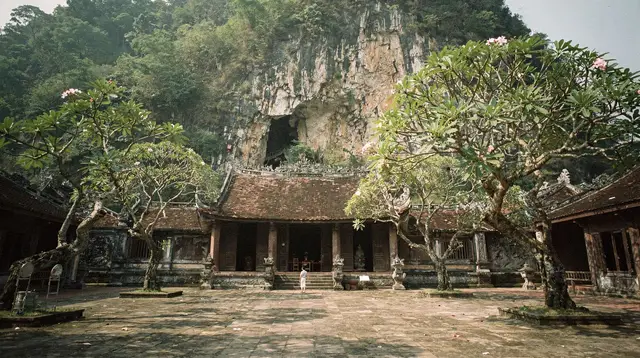
GetYourGuide does not provide a product photo for this activity — the image shows the meeting point, photographed by us.